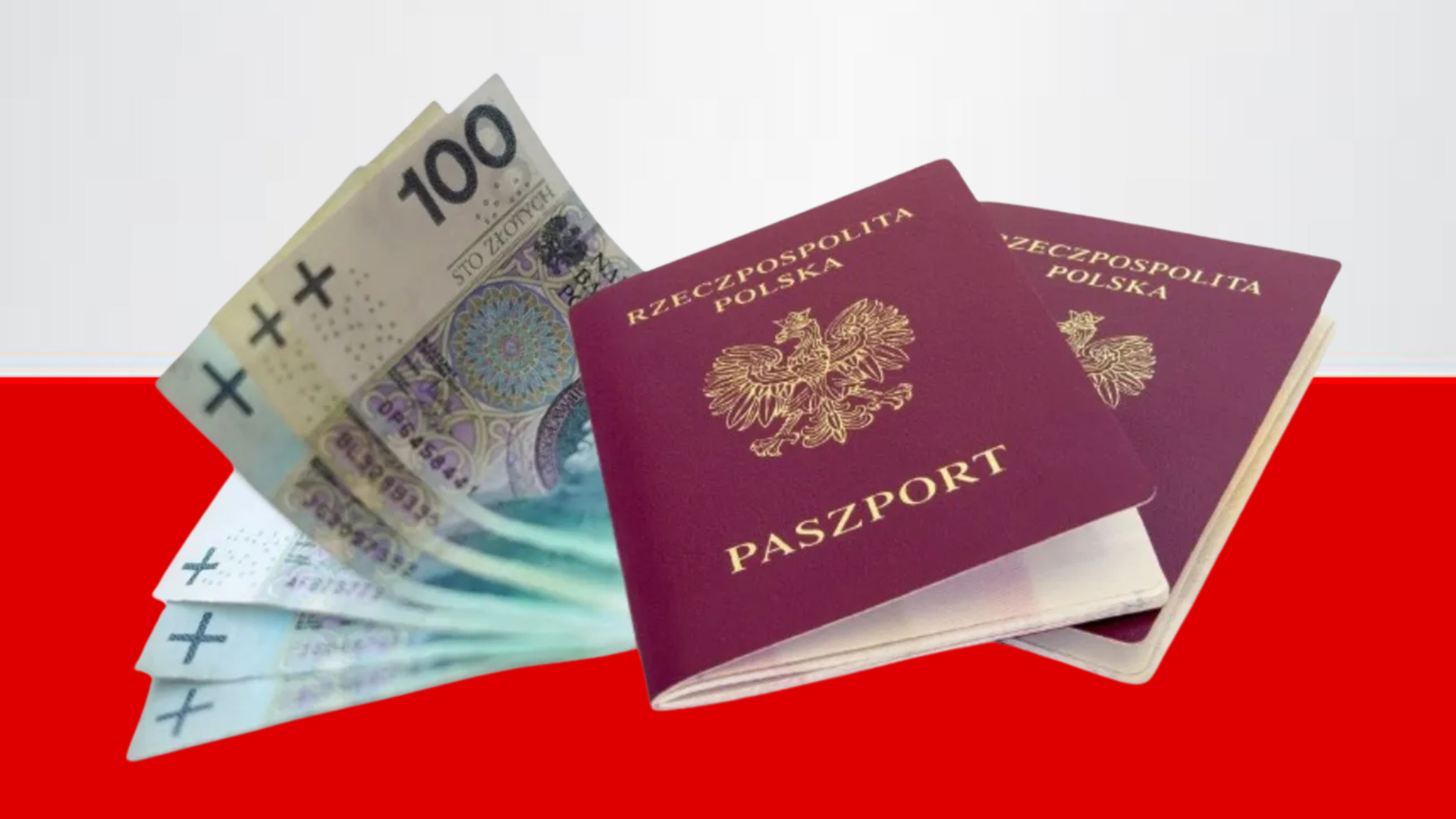
Polish Citizenship from the President: A “Golden Ticket” or a Long-Waiting Lottery?
Obtaining a Polish passport is a coveted goal for many foreigners who have tied their lives to this country. Most follow the standard path: years of residence on temporary and permanent permits, passing a difficult Polish language exam, proving income, and submitting documents through the Voivode (the uznanie za obywatela procedure).
But there is another, almost mythical path — the granting of Polish citizenship personally by the President of the Republic of Poland (nadanie obywatelstwa polskiego). Online, this method is often called a “shortcut,” but is it really that simple? Let’s delve into the nuances of Poland’s most mysterious migration procedure.
What are the main advantages of the presidential path?
According to the Polish Constitution, the President has the right to grant citizenship to any foreigner. This is an exclusive prerogative of the head of state that breaks all the usual bureaucratic molds:
-
No language exams. You do not need to provide a B1 Polish language proficiency certificate.
-
Residency periods don’t matter. You can apply even on your first day in Poland or while entirely abroad. Having a Karta pobytu (residence card) or permanent residency is not mandatory (although it helps a lot in practice).
-
No need to renounce your current citizenship. Poland recognizes dual citizenship, and the President will not require you to renounce your current one.
-
Free application. The Chancellery of the President does not charge a state fee for reviewing the application (you only pay for sworn translations of documents and notarized copies).
To whom does the President actually issue a passport?
Sounds like a fairy tale, right? But here lies the main catch. Since the law does not set clear criteria for approval, your application must be flawlessly argued. The President does not grant citizenship out of pity, but because the candidate brings value to the state.
Your chances of success increase significantly if you are:
-
An outstanding athlete ready to compete for the Polish national team.
-
A scientist, doctor, or IT specialist with unique achievements and patents.
-
A cultural or artistic figure, or a journalist actively promoting Poland.
-
Someone with Polish roots (Pole’s Card) who actively participates in the life of the Polish diaspora.
-
An investor or businessman who has created a significant number of jobs in the Polish economy.
If your reasoning boils down to “I’m a good person, I work in a warehouse, and I pay taxes,” the probability of refusal approaches 100%.
How and where to apply?
You cannot send documents directly to the Chancellery of the President. The procedure is strictly regulated:
-
If you are in Poland legally: Documents are submitted through the Voivodeship Office (Urząd Wojewódzki) at your place of residence. The Voivode checks the document package, issues an opinion (positive or negative), and forwards the case to the Minister of the Interior, who then passes it to the President.
-
If you are abroad: Documents are submitted through the Consul of the Republic of Poland in your country of residence.
The basic package of documents includes:
-
A thoroughly filled-out application (Wniosek o nadanie obywatelstwa polskiego).
-
A passport-sized photo.
-
A notarized copy of a valid foreign passport.
-
Birth and marriage certificates (mandatorily registered in the Polish Civil Registry Office — umiejscowienie aktów).
-
A detailed biography (życiorys) and a powerful justification letter (uzasadnienie).
-
Any documents confirming your achievements (diplomas, awards, recommendation letters from Polish employers, politicians, or public figures).
The harsh reality: what you need to be prepared for
Before choosing this path, take off your rose-colored glasses. The presidential procedure has three massive drawbacks:
-
Complete uncertainty regarding deadlines. The Chancellery of the President is not bound by the rules of the Administrative Procedure Code. Your case could be reviewed in six months, or it could take two, three, or even five years. It is impossible to speed up the process.
-
The decision is unpredictable and final. If the President decides to refuse, he is not obliged to explain the reasons. Moreover, this decision cannot be appealed in any court.
-
You must maintain your own legal status. Applying to the President does not give you the right to stay legally in Poland (you will not get a red stamp in your passport like you do when applying for a residence permit). You must independently take care of visas or residence cards throughout the entire waiting period.